RiverGuardian
A self-funding river restoration company for Sydney, beginning with the Parramatta River.
RiverGuardian respectfully acknowledges the Wallumedegal, Burramattagal, Wangal and Gadigal peoples, the Traditional Custodians of the lands and waters of the Parramatta River and Sydney Harbour, and the Dharug and Eora nations. We pay our respects to Elders past and present, and extend that respect to all Aboriginal and Torres Strait Islander peoples.
The Guardian Program
The Parramatta River is drowning in plastic. We built the service that pays to fix it.
RiverGuardian deploys solar-powered, semi-autonomous Guardians under annual council and utility contracts, removing plastics, publishing open water-quality data, and returning recycled material to Country. No donations. No grants. A service that funds itself.
750,000+
Residents across the catchment, including many local Indigenous communities
#9 of 120
NSW waterways ranked for microplastics, Parramatta River
66 m³
Rubbish physically removed in 2024, roughly 440 bathtubs
33
Greater Sydney councils. Ten share the river itself.
A heavily contaminated river, and cleanup efforts that barely scratch the surface
For over 750,000 people living along the Parramatta River catchment, including many local Indigenous communities with deep cultural ties to these waterways, clean, safe access to the river is not a luxury. A lack of business initiative and proactive problem-solving has left current cleanup efforts minor and ineffective in the long term.
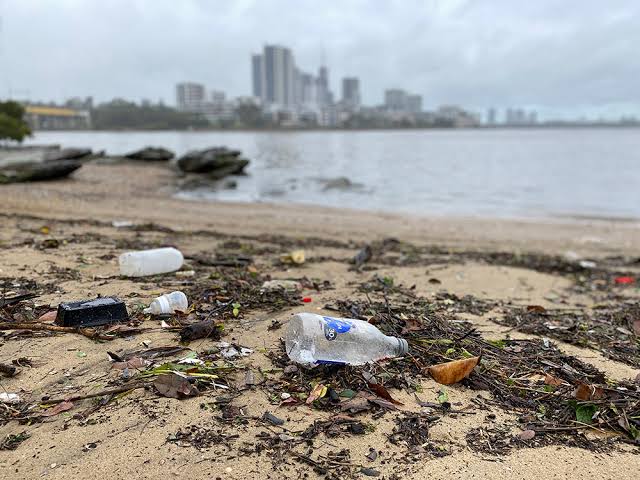
Photographed on the river
A Parramatta River foreshore after the tide: plastic bottles and debris deposited within sight of the city skyline.
#9
Parramatta River
9th most microplastic-contaminated of 120 NSW coastal waterways tested, NSW EPA Broadscale Microplastic Assessment 2021–2024 (published March 2026).
#4
Toongabbie Creek
The river's upper-catchment hotspot is the 4th most contaminated waterway in New South Wales.
31,966
Particles identified
Microplastic particles identified statewide. Microplastics were detected in all 120 waterways tested.
~74%
Plastic by item count
Share of estuary litter that is plastic. NSW estuaries average 110 items and 8.20 L of litter per 1,000 m².
~79%
Litter from two sites
Meadowbank (Ryde), an official NSW EPA monitoring site, and Cooks River together account for roughly 79% of litter across 10 NSW sites.
0.02–34.80
Particles per m³
Microplastic concentration range measured across NSW waterways. The Parramatta River sits at the wrong end of it.
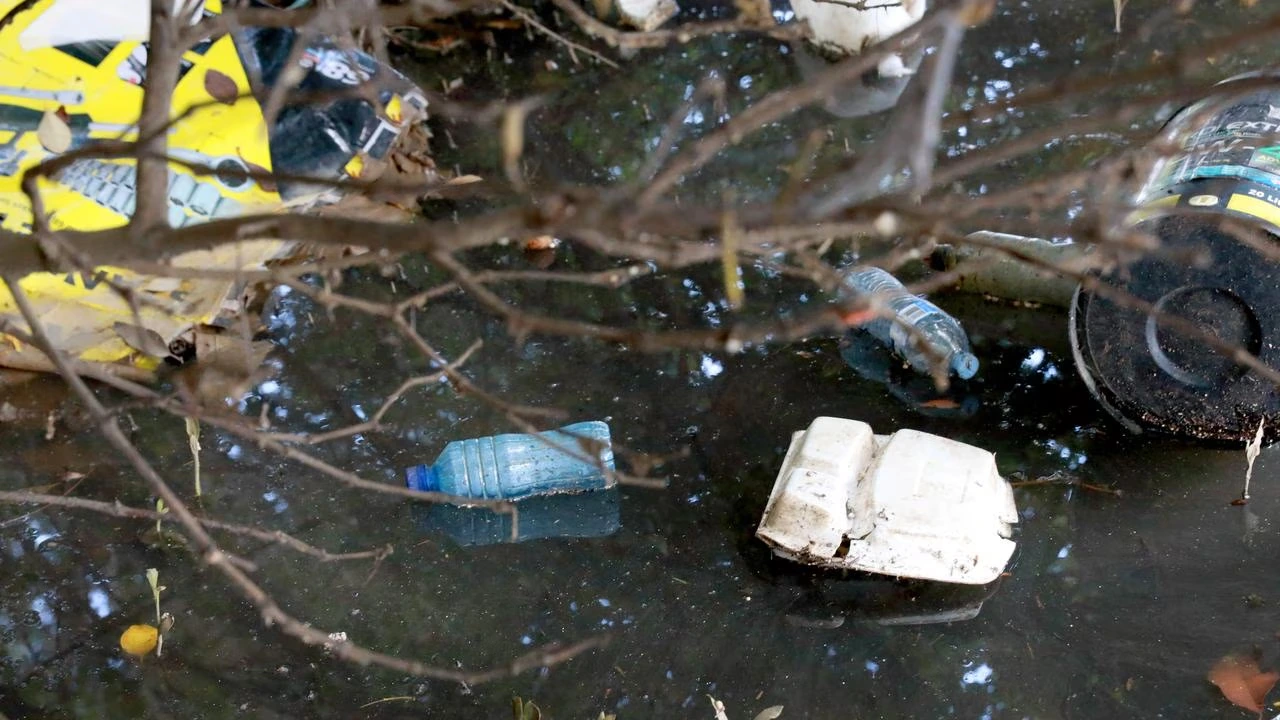
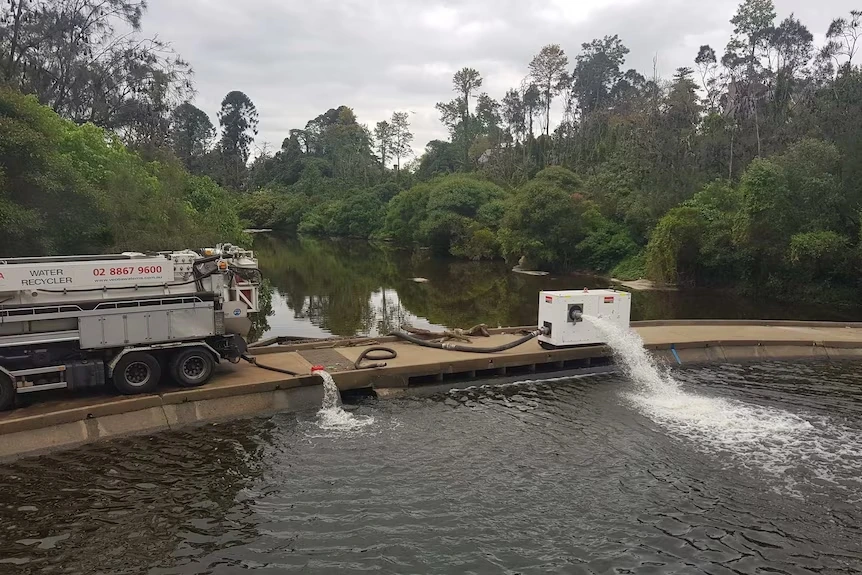
The current response
Diesel trucks, pumps and occasional manual clean-ups: expensive, episodic, and gone by the next tide.
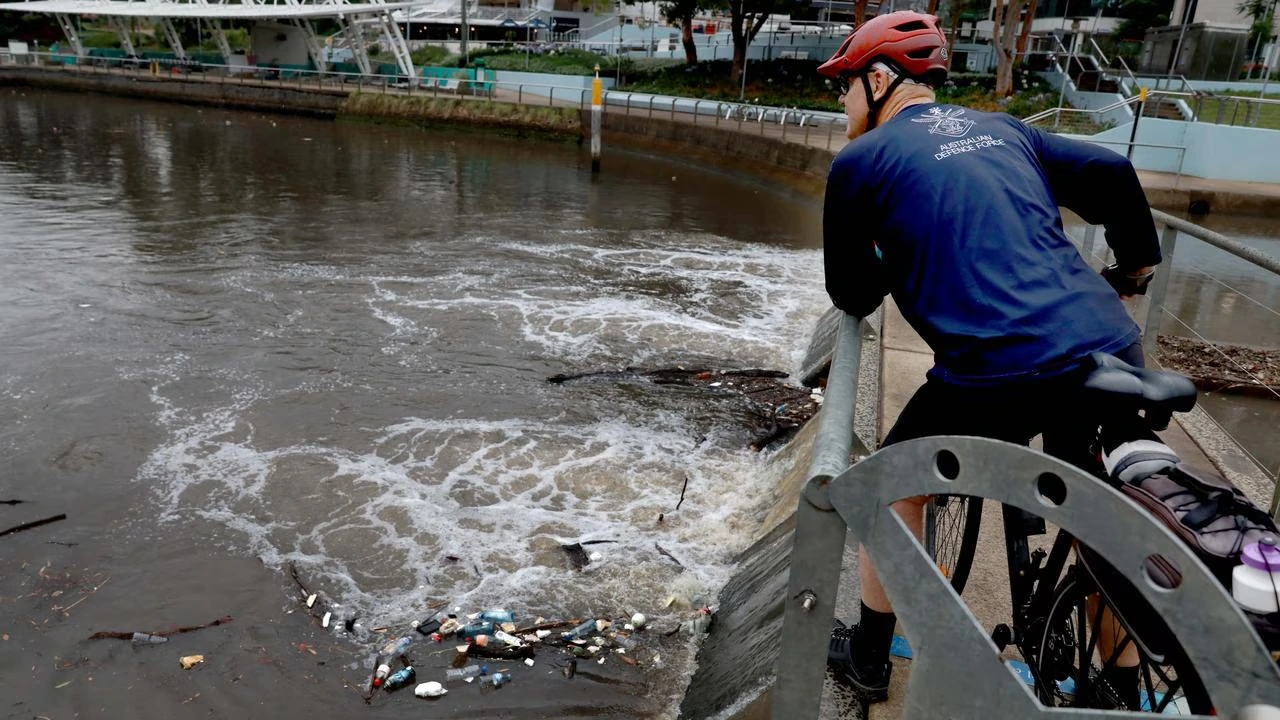
After the rain
Every storm carries street litter straight into the catchment, photographed on the river system, Sydney.
Parramatta River vs Sydney Harbour, the data side by side
| Measure | Parramatta River | Sydney Harbour |
|---|---|---|
| Microplastics | Detected, ranked #9 most contaminated of 120 NSW waterways | Detected in nearby tributary systems; Middle Harbour Creek is #10 |
| Litter monitoring | Meadowbank (Ryde) is an official NSW EPA litter monitoring site | No equivalent harbour site in the NSW KLIS program |
| Seafood safety | Elevated dioxins, NSW Health advises against eating seafood caught west of the Harbour Bridge | Same advice; commercial fishing prohibited as a health precaution |
| Water-quality monitoring | Regular monitoring across the river and its catchment | Major tributaries monitored; no comprehensive harbour-wide program |
| Rubbish physically removed | 66 m³ in 2024 (Sydney Water clean-up operations) | Clean-ups occur, but no comparable harbour-wide figure is published |
Sources: NSW EPA Broadscale Microplastic Assessment 2021–2024 (published March 2026); Sydney Water clean-up operations 2024; NSW EPA litter monitoring 2024–25; NSW Health. For the record: the EPA's #10 ranking is Middle Harbour Creek, and NSW does not publish a single harbour-wide pollution score.
A river with a long memory
A fishery first
For tens of thousands of years the Parramatta River fed the Wallumedegal, Burramattagal and Wangal peoples. Its eel fishery was so central that Parramatta takes its name from Burramattagal, the place where the eels lie down.
Trading and travel routes
The river and its foreshores formed a network of fishing grounds, camps and trading routes, linking the clans of the harbour long before the colony arrived.
A river that can no longer feed anyone
Today, NSW Health advises against eating any seafood caught west of the Harbour Bridge, with elevated dioxins detected in the river's fish.
Former glory
We are locals. We grew up on this river, and we want to see it restored to what it was: swimmable, fishable and alive.
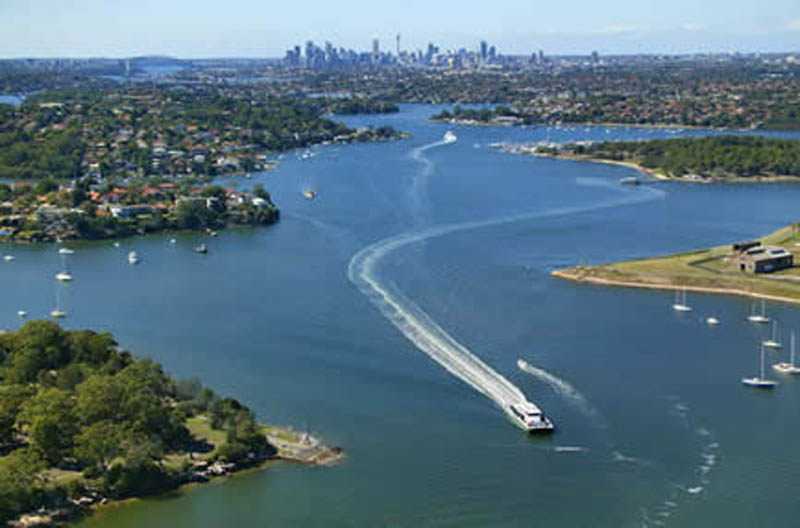
The river today
The Parramatta River looking toward the city, photographed from above. Still the artery of Western Sydney.
The River Guardian, functional infrastructure for river restoration
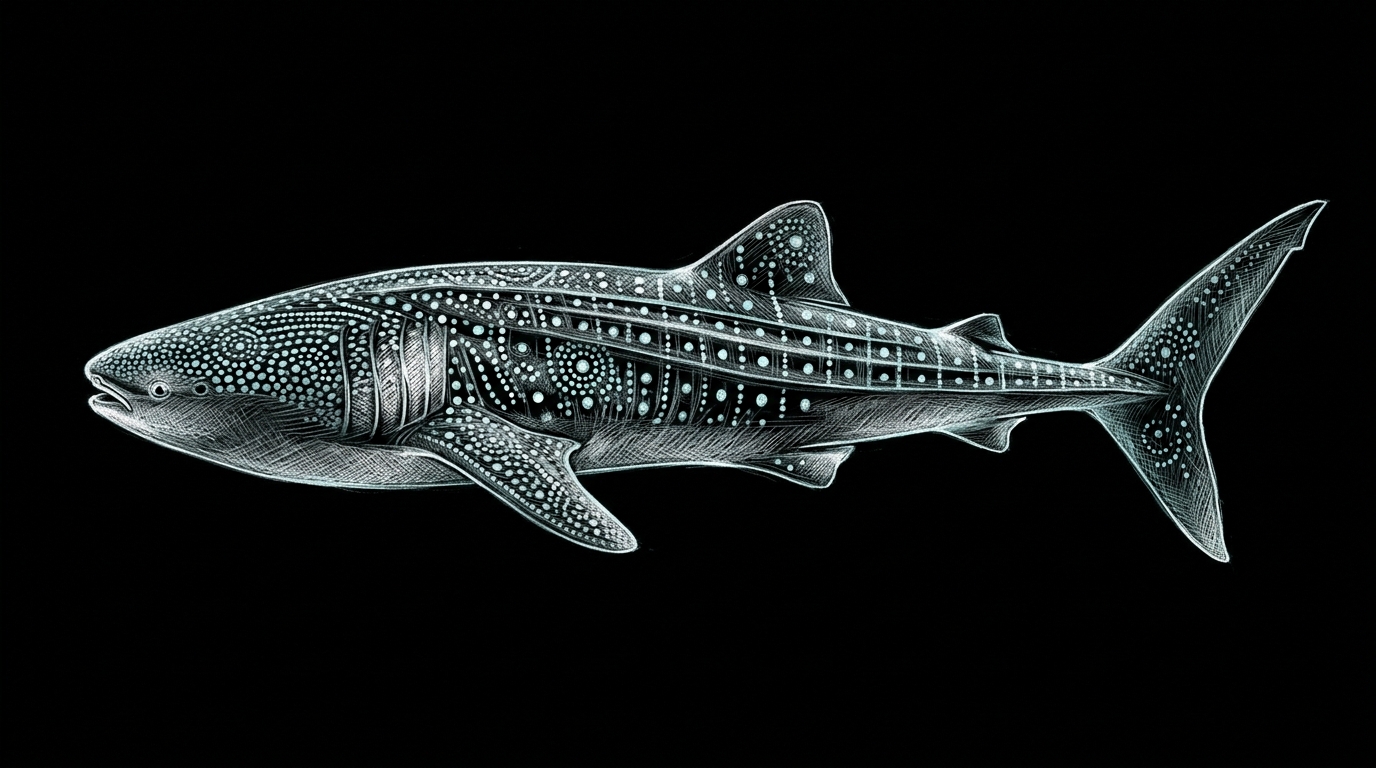
Meet the River Guardian. Each Guardian is a solar-powered, whale shark-shaped cleaning vessel that skims macro- and micro-plastics while carrying commissioned Indigenous artwork on its hull. Our first fleet, the Eora Guardian, launches on Wallumedegal Country in Ryde.
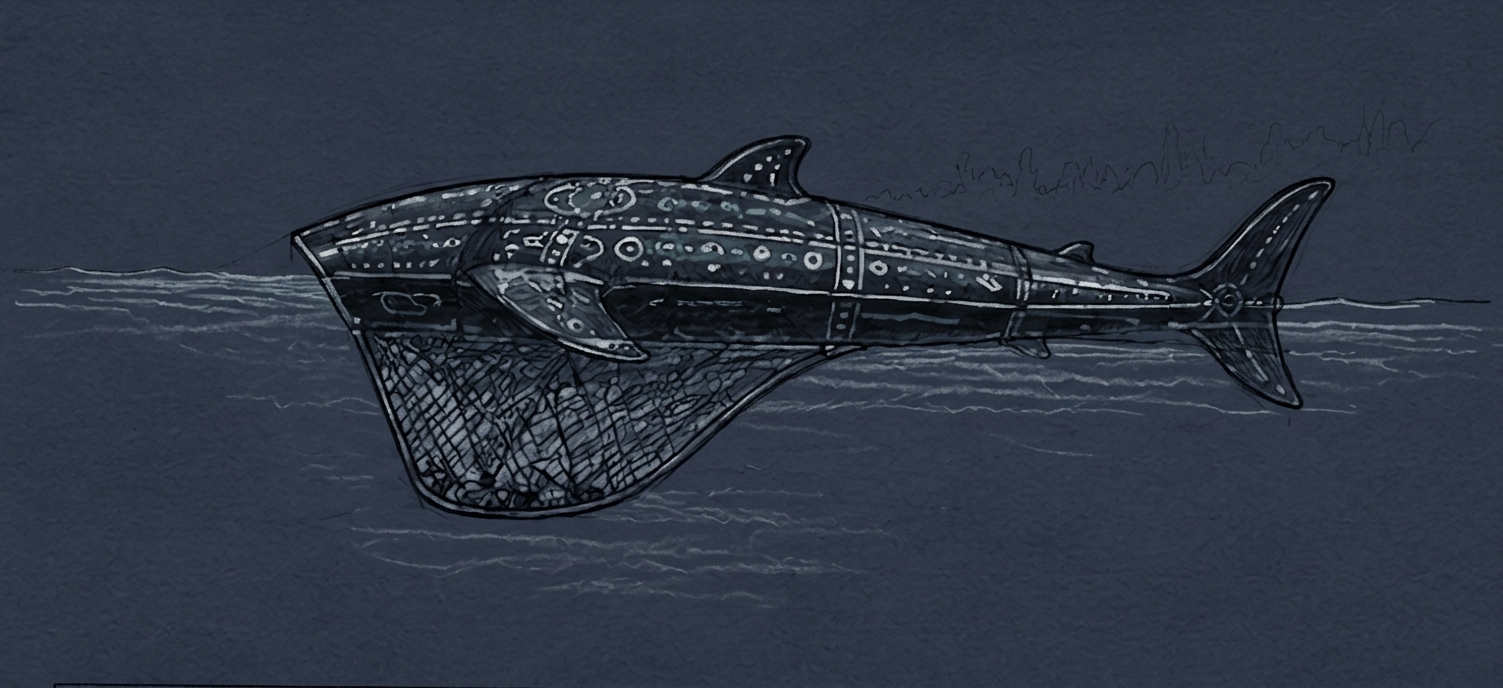
Side view, concept sketch
Following our prototype sketch exactly: the waterline cuts the hull, the dot-patterned top rides above the surface, and below the water the deep catchment net holds the night's catch, up to 100 kg or a full cubic metre, plain to see in its stomach.
Solar-powered and self-piloting
Solar charging and GPS-guided routes, with inbuilt weather and pressure monitors that tell each Guardian when conditions turn, and when it is time to head home.
Safe around marine life
AI detection separates rubbish from fish and other wildlife before collection. If something large bumps the hull, a harbour bull shark, say, pressure sensors send the Guardian straight back to its pod.
Weather-linked, no-risk deployment
Each Guardian's GPS is connected to a live weather monitoring system. If dangerous conditions are forecast, storms, high winds or flood-rated flows, the fleet simply does not deploy, so there is no risk of vessel damage.
The nightly sift
9:30pm to 6:30am, while the ferries are tied up. Jet propulsion covers 20+ km a night, up to 1.08 million m² of waterway, or about 756,000 m² at 70% effective collection time.
100 kg contained capacity
A full cubic metre of internal storage, capped at 100 kg depending on the material. Everything stays inside the hull, nothing trails behind the unit.
Pod stations
Each Guardian returns automatically to its onshore pod, which acts as dock, charger and catch storage until our crew weighs, sorts and logs the haul.
Art and open data
Commissioned Indigenous artwork on every hull, and every night's catch published to the open Trash Ledger for anyone to inspect.
9:30pm–6:30am
Nightly sift, clear of ferry traffic
20+ km
Jet propulsion range per night
100 kg / 1 m³
Contained capacity per Guardian
756,000 m²
Nightly coverage per Guardian (70% effective collection)
Automatic
Return to pod for offload, charge and storage
Inside the Guardian
Twenty-three systems, one continuous clean
Select a system group to see how each Guardian navigates, collects, protects wildlife and reports its results back to council.
Navigation & Control
GPS and antenna
The GPS tracks the Guardian's exact location and allows it to follow programmed cleaning routes, connecting to the autonomous navigation system so the unit moves through assigned areas without constant manual control.
Concept Development
The River Guardian prototypes
Hand-drawn concept studies for the Eora Guardian, a whale shark-inspired hull wearing commissioned Indigenous artwork, built around a deep catchment system that traps litter below the waterline.
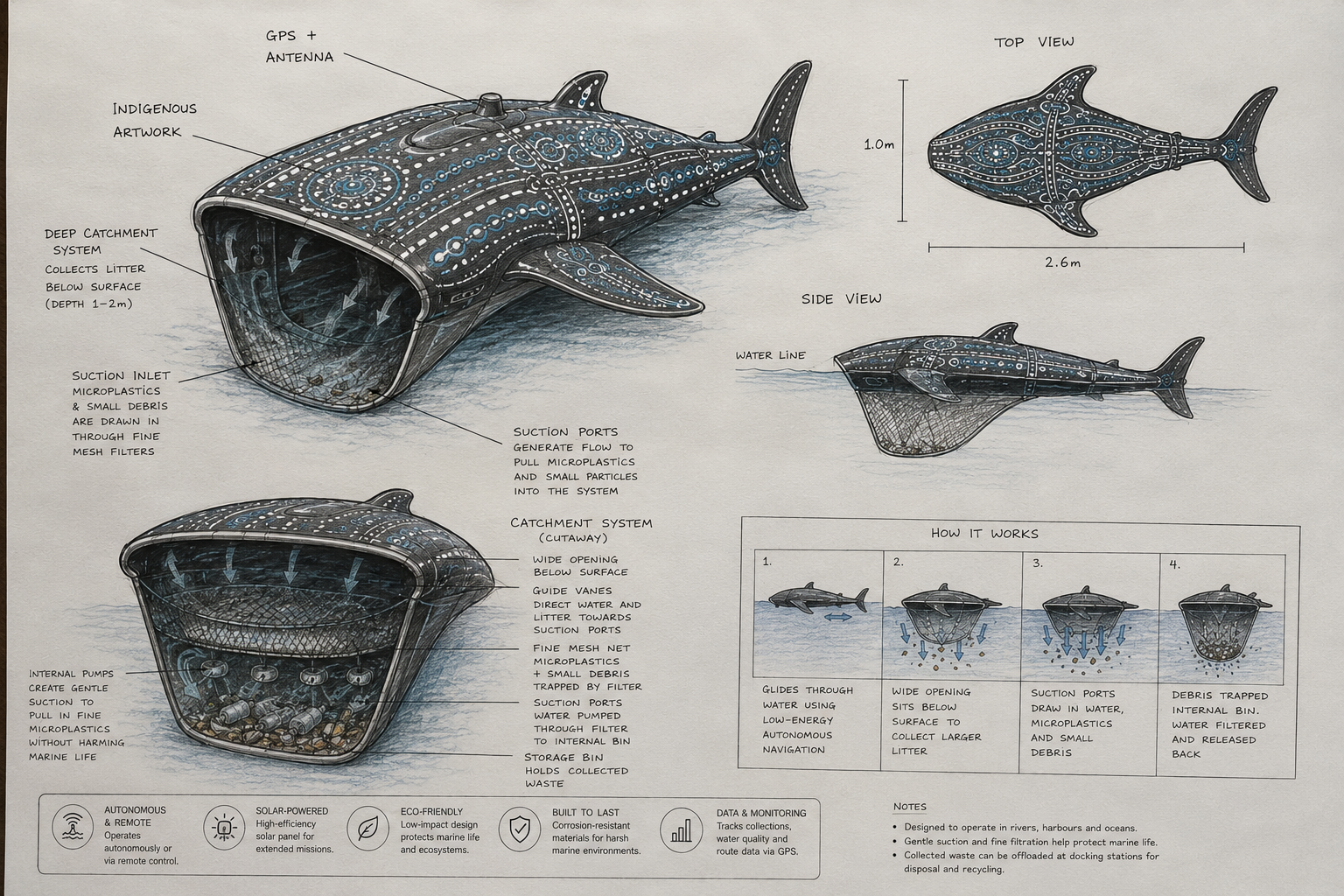
1.
Glides through water
Low-energy autonomous navigation patrols the catchment.
2.
Wide opening below surface
The submerged mouth collects larger litter as it moves.
3.
Microplastics drawn in
Suction ports and fine mesh filters pull in particles and small debris.
4.
Debris trapped in bin
Waste is held in an internal bin; filtered water is released back.
Deployment
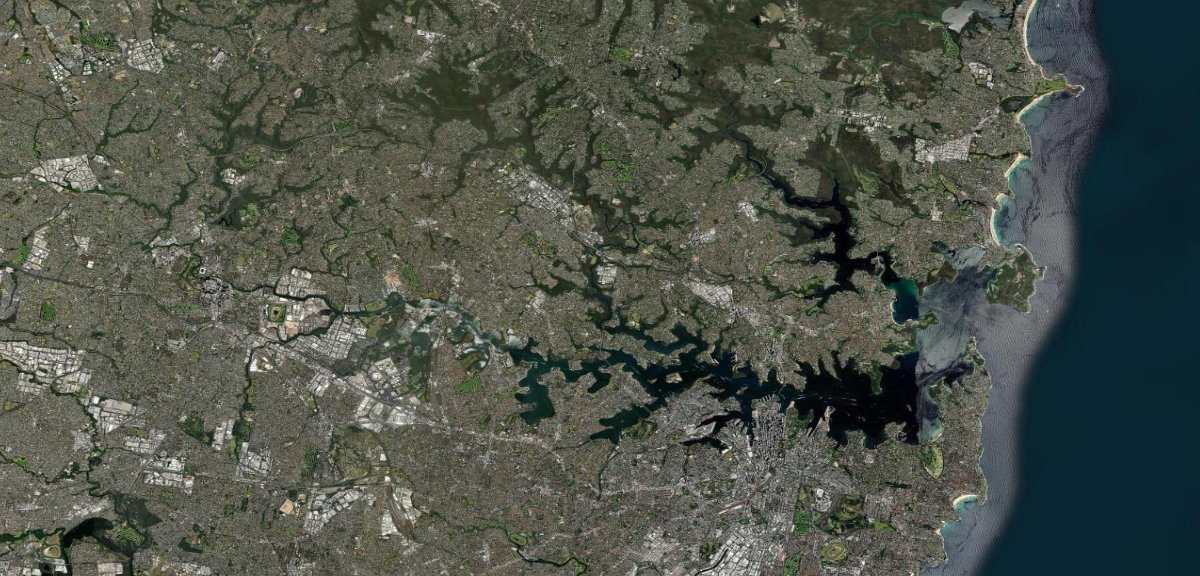
The Year 6 map: thirteen councils, 117 Guardians
A projection of how far the fleet reaches by the sixth year of operations, plotted on satellite imagery of the real harbour. Every council fields nine vessels across its named spots. Pick a council below to fly to it, or zoom and drag the map yourself.
Station brief
Parramatta
9 vessels
Year 2 stage
Deployment spots
Parramatta Wharf
Charles Street Weir
Year 2 contract, Burramattagal Country, where the river meets the city.
Satellite basemap: Esri World Imagery. Projection of fleet reach by Year 6 of operations, each council fields nine vessels across its named spots. Indicative siting only; dot-work along the river honours the waterway's First Peoples.
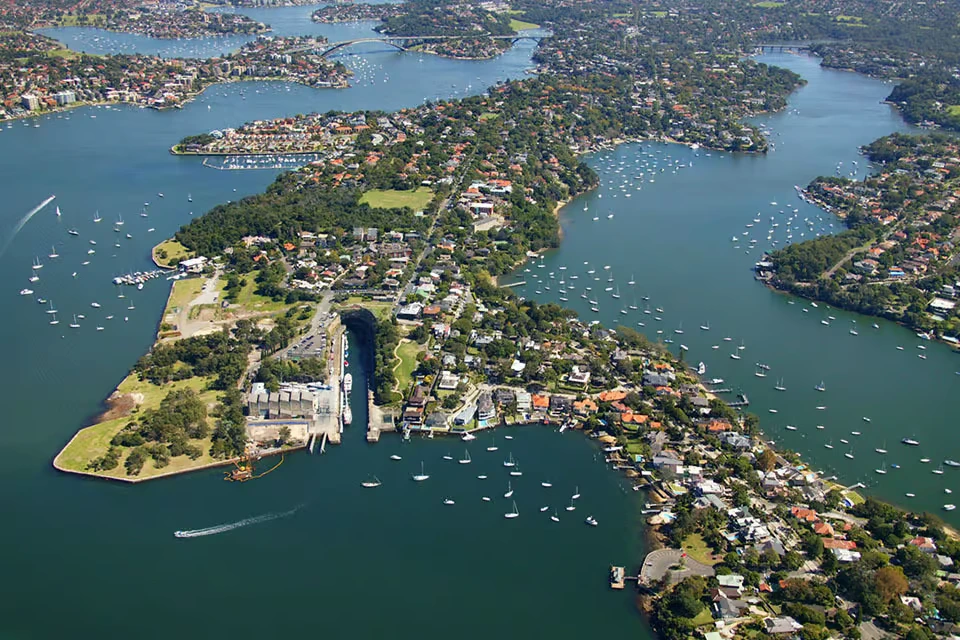
The operating area
Sydney Harbour and the Parramatta River system from above Hunters Hill, the full Year 6 operating area, photographed on location.
Last night's sift, Meadowbank pod
100.5
kg collected
Guardians are mid-sift… rolling toward tonight's haul of 486 kg across the Meadowbank reach, counting every trip back to the pod to offload, turn around and redeploy.
100 kg / 1 m³
One Guardian's hold per run
~3 runs a night
Including the trip back to the pod to offload and redeploy
Up to 2.7 t
A full nine-Guardian fleet at capacity in a single night
Trash Ledger, open catchment data
0.0 kg
Collected today, Meadowbank
0.0 t
Tonnes collected year to date
0.0 /m³
Microplastics at Toongabbie Creek
0%
Recyclable share of catch
Not just another water-cleaning robot
RiverGuardian is not hardware for sale. It is a service model: an autonomous fleet, a circular economy and a cultural partnership, contracted by councils year after year.
| Competitor | Their approach | The RiverGuardian difference |
|---|---|---|
| Seabin | Fixed collection point | A mobile fleet that patrols different areas |
| RanMarine WasteShark | Aquatic waste collection | An autonomous fleet delivered as a council service |
| Clearbot | Autonomous waste collection and data | Sydney-focused, with a circular economy and Indigenous partnership built in |
| Traditional cleanup | Periodic, manual removal | Continuous autonomous collection and monitoring |
Our competitive edge
Autonomous fleet
Multiple Guardians working across a waterway, coordinated as one service.
Microplastic focus
Designed to target both visible litter and smaller plastic pollution.
Circular economy
Recovered materials: 75% sold to Australian recyclers, 25% allocated to Indigenous artists.
Indigenous partnership
Indigenous design, consultation and material allocation built into the business model.
Council-as-a-service
Councils pay for an ongoing cleaning and monitoring service, rather than simply buying a robot.
the key message
We don't just build robots, we provide an ongoing waterway-cleaning service.
Recurring revenue
$8m a year by Year 6
Target council contract of ~$150,000 per council, per year, plus approximately $1.23m of recycling revenue over ten years.
Scalable fleet
9 to 120 Guardians
Thirteen full nine-Guardian fleets plus three additional units by Year 6. Sydney remains the target market for the first ten years.
Measurable impact
7,375 tonnes removed
Over ten years: 4,425 t recyclable, 1,106 t allocated to Indigenous artists, 3,319 t sold and recovered.
Figures from the RiverGuardian expected-case ten-year model. See the Financials chapter for scenarios and assumptions.
Built for councils, open to the community
RiverGuardian serves the people who fund and manage the waterway, and keeps the community who lives beside it informed.
Primary users and purchasers
Councils and council decision makers
The people who can use this website to monitor RiverGuardian's performance and decide whether to fund or expand the service.
Secondary users
Local residents and Indigenous community members
People of different ages who live near the waterways and care about environmental protection and local decision-making, using the site to see the condition of their waterways, the pollution data and the impact RiverGuardian is making.
25–65
Core adult audience
Professional & government
Typical sector and roles
Moderate to high
Income band
All genders
No restriction
Where we start, and where this goes
Sydney, NSW first
Parramatta River and surrounding catchments
Urban and suburban waterways, where litter pressure is greatest
Then other Australian councils and waterways
Restoring an enduring connection between community, culture and Country
A place of deep significance
The Parramatta River is far more than a waterway, it is a place of deep cultural significance for the Wallumedegal people, the Traditional Custodians of the Ryde area.
Generations of connection
For generations the river has supported cultural practices, food gathering, travel and community for the Wallumedegal, Burramattagal and Wangal peoples, an enduring relationship between people and Country.
Pollution breaks the link
Contamination degrades the health and character of the river, making traditional ecological knowledge and the responsibility of caring for Country harder to maintain and share.
An investment in heritage
Protecting the river is not simply an environmental responsibility, it preserves cultural heritage, strengthens community identity, and keeps this place meaningful for generations to come.
Countries of the catchment
1,106 tonnes
of recyclable material allocated to Indigenous artists over ten years, 25% of everything recyclable we pull from the river becomes raw material for culture, not landfill.

Commissioned hull artwork
Every Guardian hull is a commissioned canvas, a floating celebration of culture on the water it protects.
What pollution already costs Ryde
- $697,000+ already invested by Council in the Putney Park swimming site, on top of ongoing stormwater, monitoring and restoration spend
- Lost recreational and tourism value while the river stays unsuitable for swimming
- Billions in pollution-driven health costs borne annually across metropolitan NSW
- Depressed business activity and property value along degraded waterways
One harbour system, two very different beaches
Photographed on location: the river foreshore at Putney today, and the standard the eastern harbour already enjoys at Balmoral and Nielsen Park.
Today, Putney Beach, Ryde
The river the funding was meant to fix
Photographed at Putney: the tide's daily deposit on the foreshore, within sight of the city, despite $697,000+ already committed to the Putney Park swimming site.
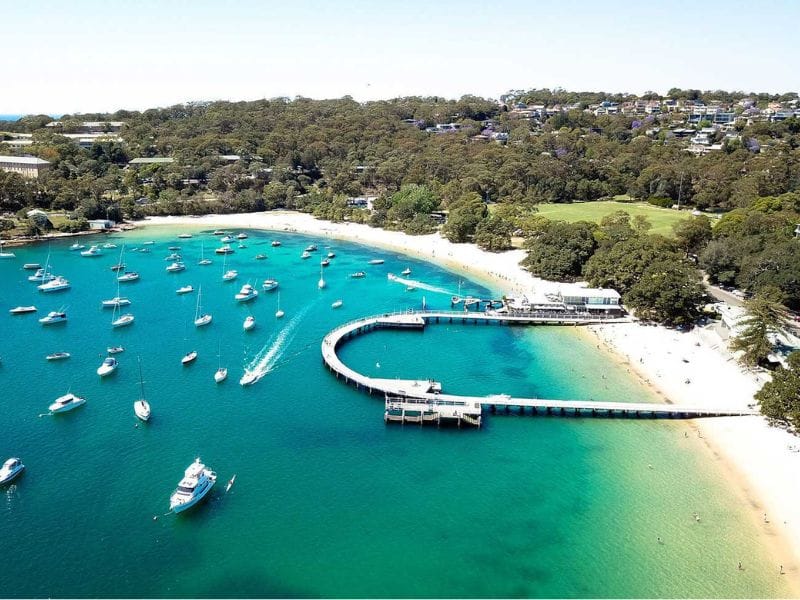
The standard, Balmoral Beach, Mosman
What clean water buys
Photographed at Balmoral: swimmable water that anchors tourism, recreation, business activity and property value. The river suburbs deserve the same.
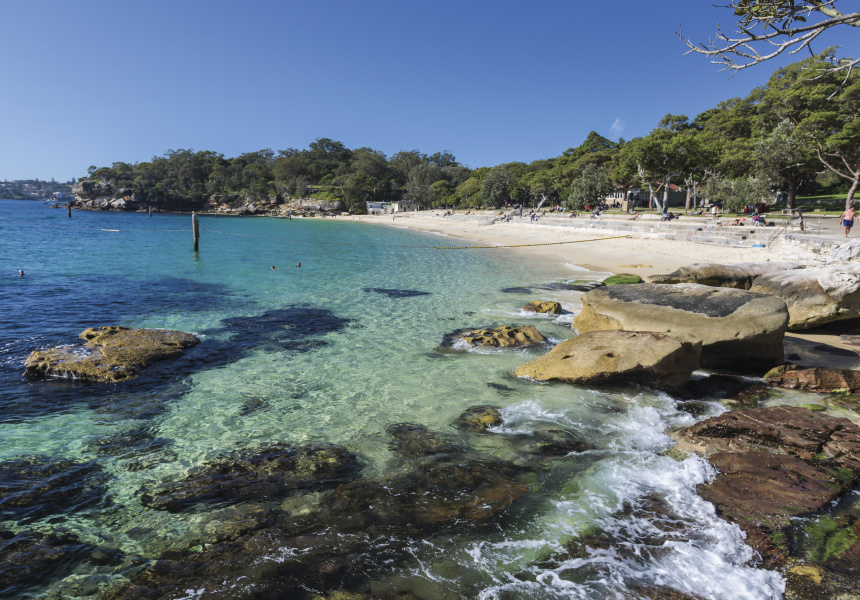
Nielsen Park, Vaucluse
Shark-netted harbour swimming, photographed on location
Putney Beach, the shallows today
Bottles, cans and packaging, photographed on the catchment
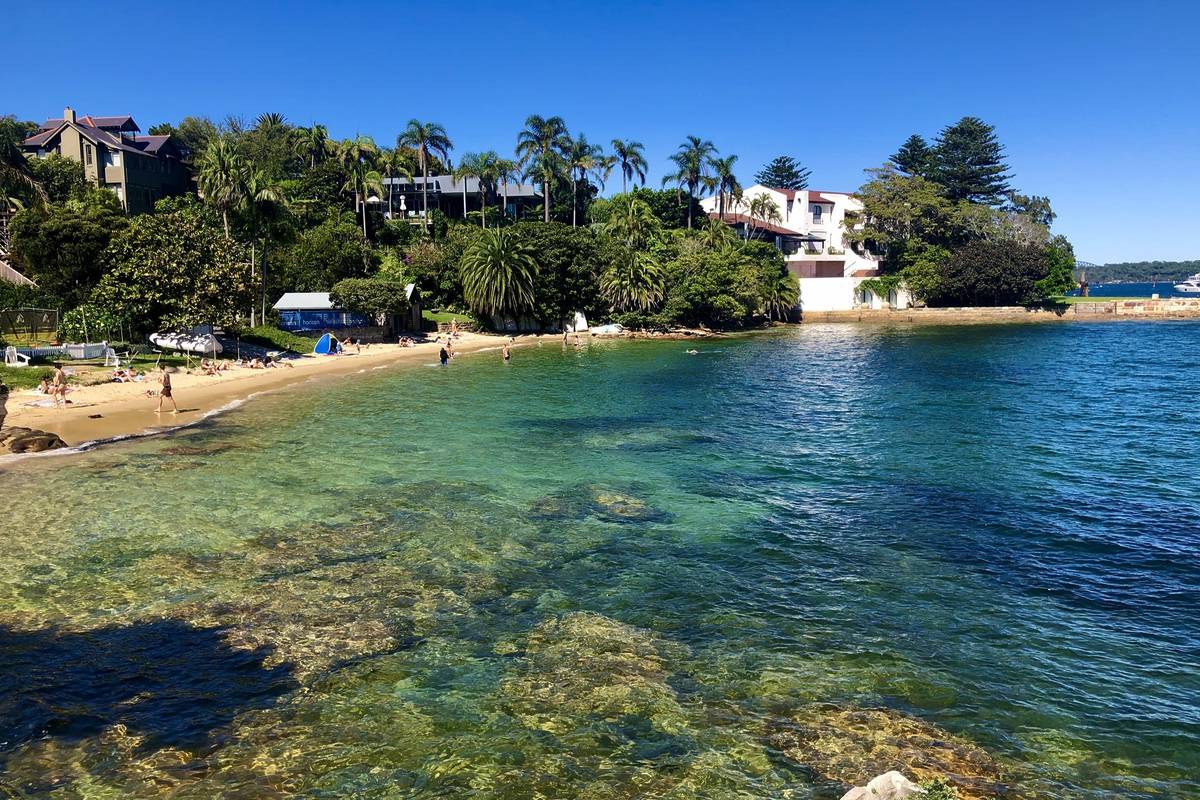
Vaucluse harbour foreshore
Clear shallows on the eastern harbour, photographed on location
All location photography on this page was taken in Sydney.
The Funding Question
The same dollars, working upstream
Councils already spend heavily on the symptoms, patch-ups, pumps and monitoring. A RiverGuardian contract redirects that money to removing the source, every night, with every kilogram accounted for.
Today, reactive spending
- $697,000+ committed to patching up a single swimming site at Putney Park
- Ongoing stormwater, monitoring and restoration spend with no end date
- Litter returns with every tide, the river stays unswimmable
- No public data showing ratepayers what their money removed
With RiverGuardian, prevention
- The same dollars contract nightly, autonomous removal at the source
- Every kilogram weighed, logged and published to the open Trash Ledger
- Hotspots mapped over time, so spending targets the worst reaches first
- 25% of recyclables fund Indigenous artists, culture built into the contract
Where the waste goes, back to Community
The river gives up its plastic; Community turns it back into culture. This is who the catch goes back to, and on what terms.
25% of recyclables
Offered back to Community
A quarter of all recyclable material, 1,106 tonnes over ten years, is offered to Indigenous communities and artists, to repurpose and recreate as Indigenous Australian art, and to sell for profit if they choose.
75% sold on
Recycled by Australian industry
The remaining recyclable material, 3,319 tonnes over ten years, is sorted and sold to Australian recyclers such as Pact Group and Sell & Parker, helping fund the fleet without donations.
$7,000+ commission
Paid to the artist
In practice, every hull is designed by a local Indigenous artist from the Dharug and Eora nations of the Parramatta region, paid over $7,000 for their work. Commissioned, not copied.
Our intention
The sketches and renders on this page are prototypes and concepts only. In practice, every hull is designed by a local Indigenous community member, paid a commission of over $7,000. Our intention is not to culturally appropriate or profit from their art. It is to recognise and showcase Indigenous talent, and the historical artistic beauty of the cultures of this waterway.
The tradition the catch will help fund
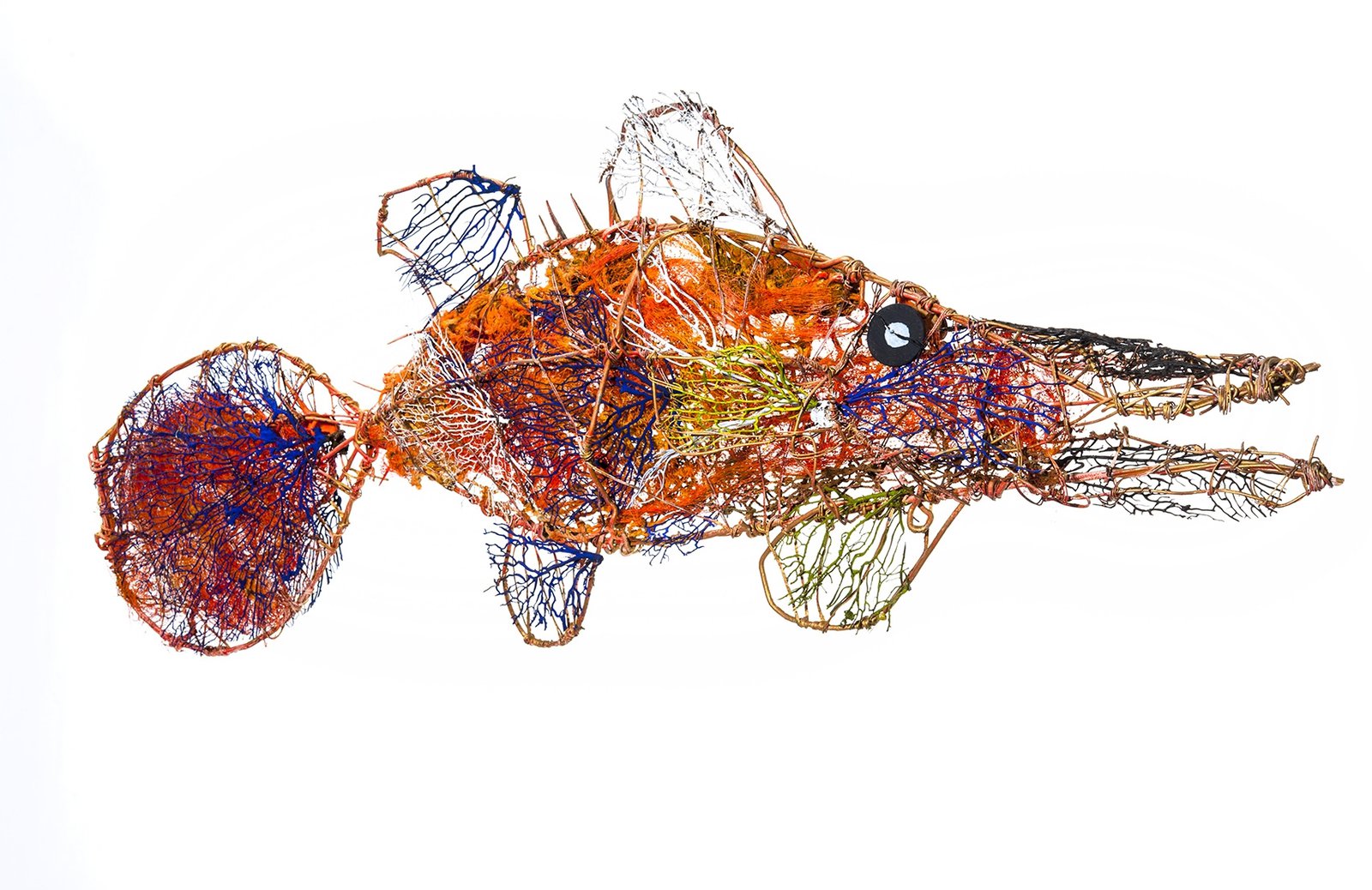
Ghost-net barramundi, recovered materials as sculpture
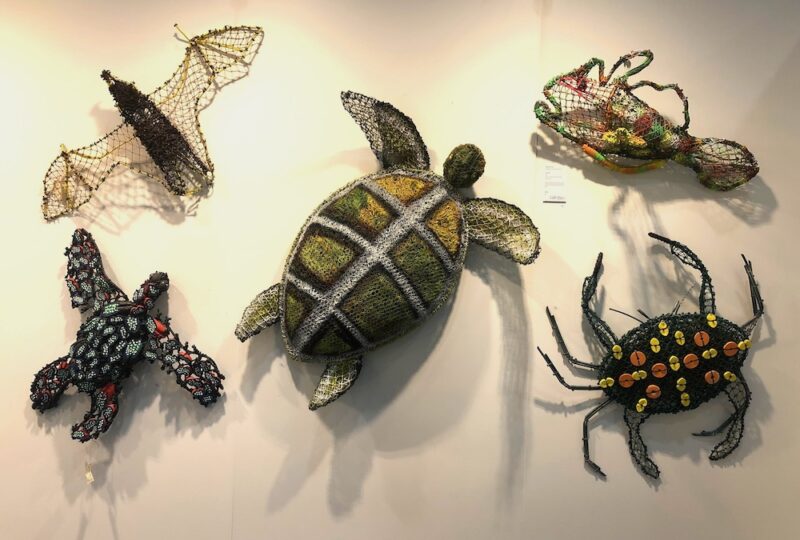
An exhibition wall of ghost-net works: turtle, crab, crocodile and fish
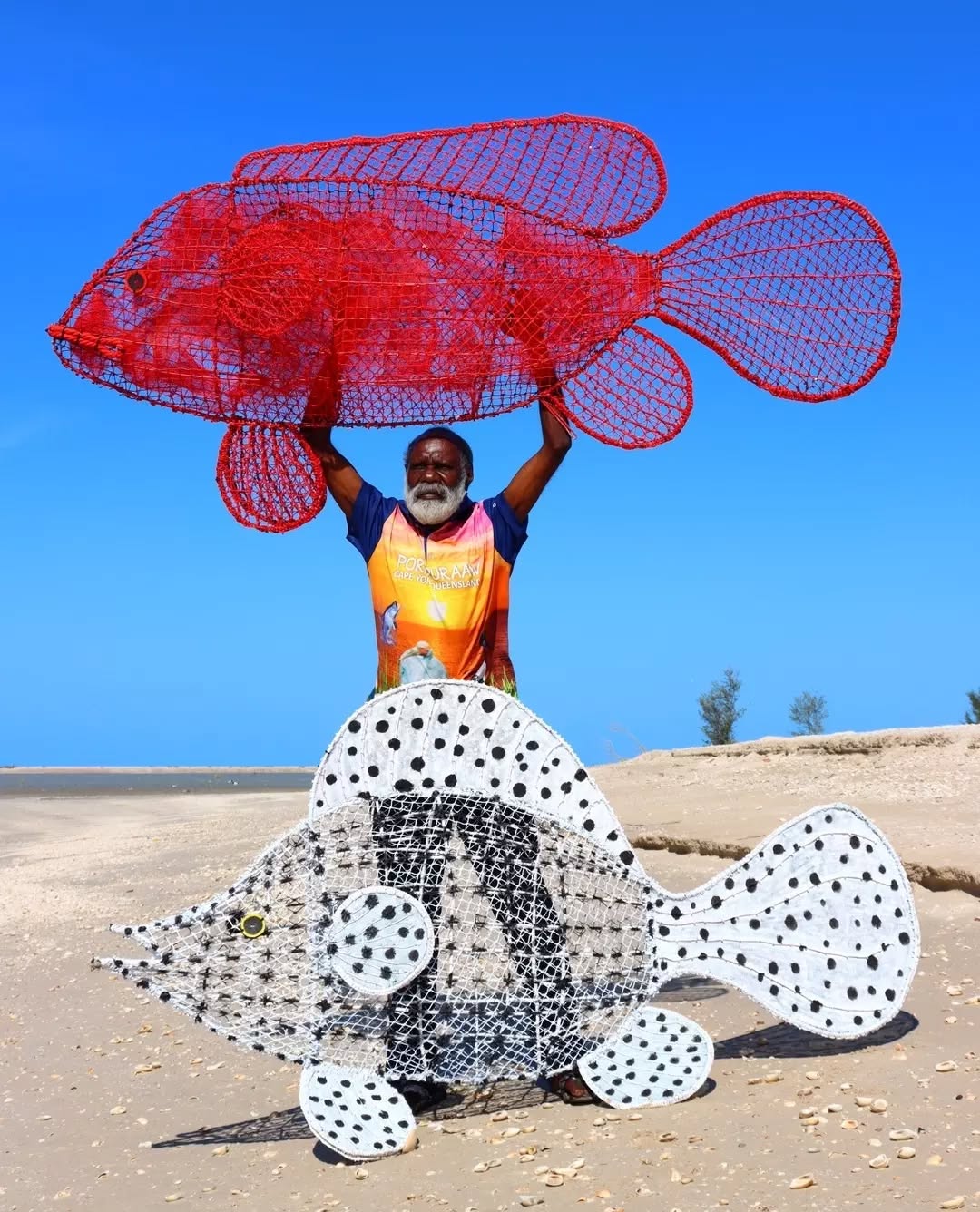
Ghost-net works by Indigenous artists, Cape York, the model for river plastic
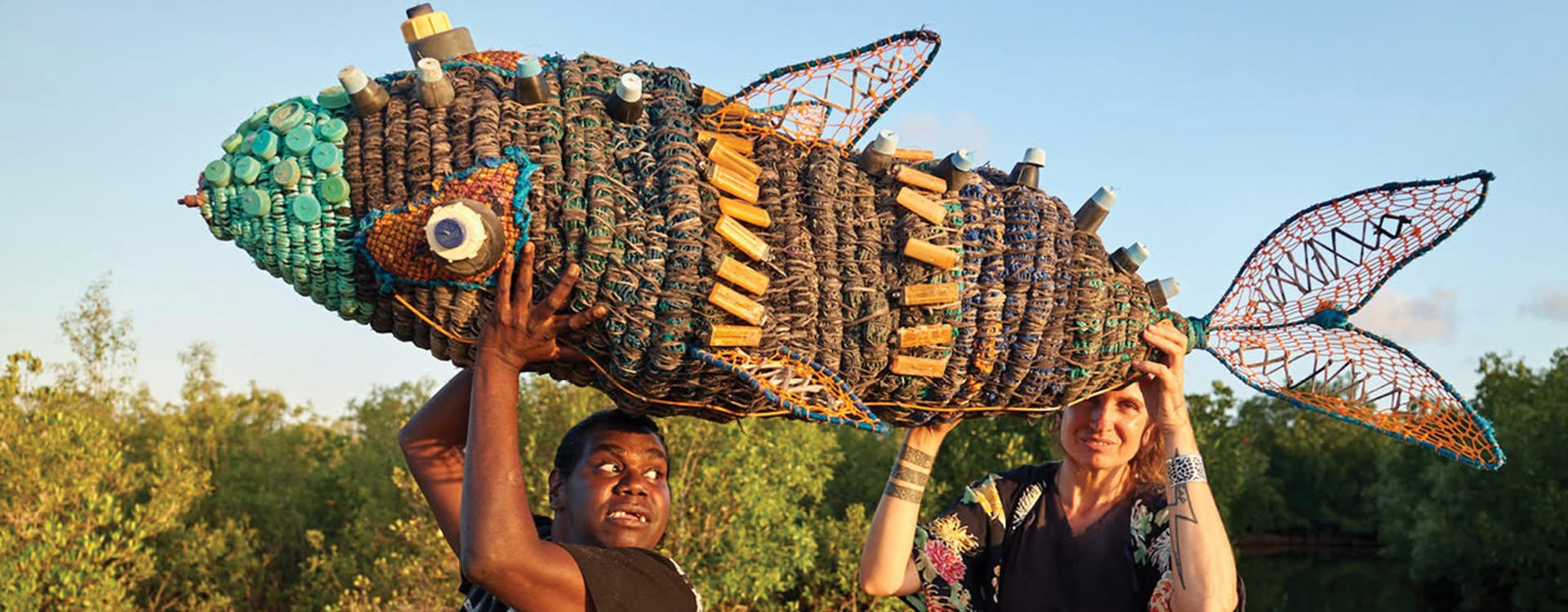
A giant fish built from bottle caps, bottles and netting
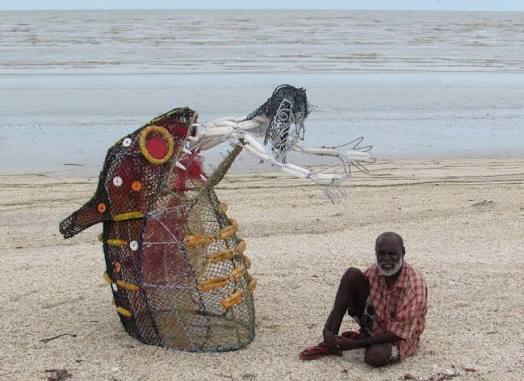
A seahorse woven from recovered netting
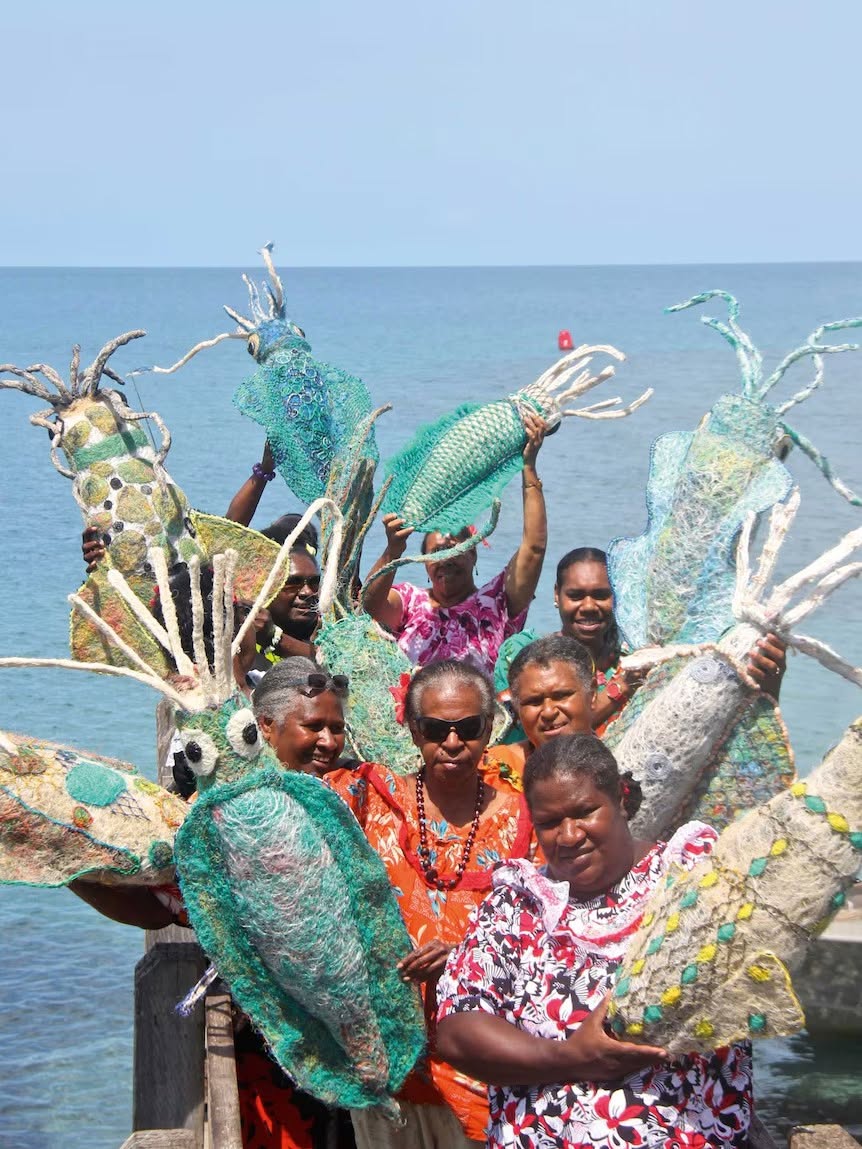
Ghost-net squid and turtle works, community art from recovered nets
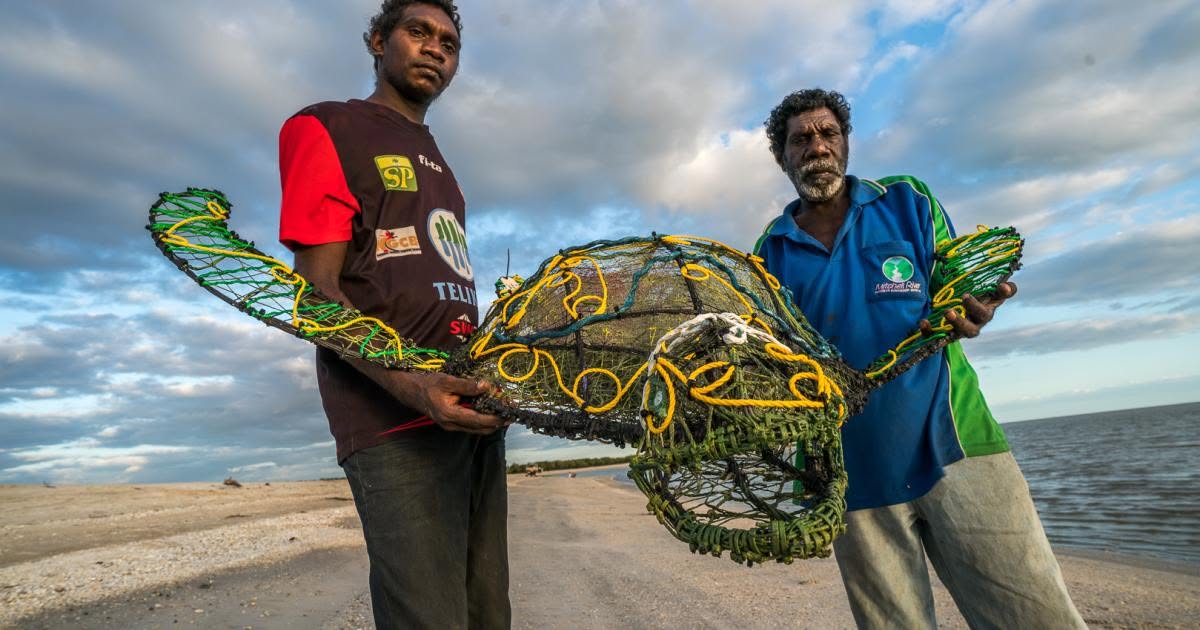
A sea turtle woven from ghost nets, Cape York
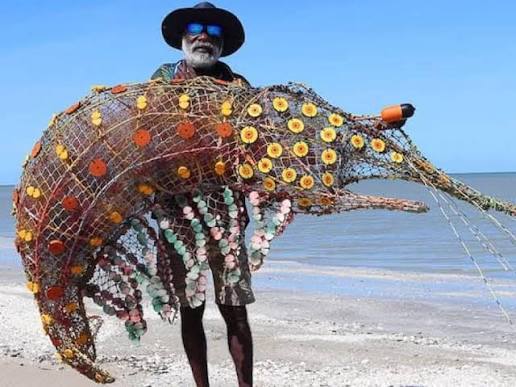
A ghost-net echidna, Country's animals remade from its pollution
Reference works: ghost-net and fibre art by Indigenous artists, the practice river plastic helps fund and supply.
A financially self-sustaining restoration service
RiverGuardian runs on annual council and utility contracts, not donations or grants. The model stays lean: at maturity, 120 Guardians are serviced by a crew of about fifteen, one for every two of the roughly thirty stations, and expansion spending stops once Sydney is covered.
Councils sign ~$8m/yr of mature contracts (full Sydney coverage)
Annual contract revenue vs cumulative operating profit ($m, expected case)
- Annual revenue
- Cumulative operating profit
~$34.8m
Cumulative operating profit by end of Year 10, before tax, interest and depreciation.
120 Guardians
Full Sydney fleet by Year 6. From then on we replace only ~12 units a year at ~$7,500 each, roughly $90k annually.
1 per 2 stations
Around fifteen crew, one for every two stations, hand the sorted catch to recycling-company collectors when the Guardians dock, and make sure each unit is charging properly. At least one in five crew are Indigenous Australian women.
Waste pulled from the river, in tonnes
Total rubbish collected vs material sold to recyclers each year (tonnes).
- Material sold (t)
- Rubbish collected (t)
A second revenue stream: the material itself
Around 60% of collected material is recyclable. After allocating 25% of recyclables to Indigenous artists, the remainder is sold, roughly $190–$192 of revenue for every tonne of rubbish collected. This sits on top of council contract fees.
| Year | Rubbish collected | Recyclable (60%) | To Indigenous artists (25%) | Material sold (75%) | Recycling revenue |
|---|---|---|---|---|---|
| 1 | 75 t | 45 t | 11.25 t | 33.75 t | $14,400 |
| 2 | 100 t | 60 t | 15 t | 45 t | $19,200 |
| 3 | 200 t | 120 t | 30 t | 90 t | $38,500 |
| 4 | 375 t | 225 t | 56.25 t | 168.75 t | $72,100 |
| 5 | 625 t | 375 t | 93.75 t | 281.25 t | $120,200 |
| 6 | 1000 t | 600 t | 150 t | 450 t | $192,400 |
| 7 | 1000 t | 600 t | 150 t | 450 t | $192,400 |
| 8 | 1000 t | 600 t | 150 t | 450 t | $192,400 |
| 9 | 1000 t | 600 t | 150 t | 450 t | $192,400 |
| 10 | 1000 t | 600 t | 150 t | 450 t | $192,400 |
| Total | 7,375 t | 4,425 t | 1,106.25 t | 3,318.75 t | ~$1.23m |
Assumed material prices
Potential buyers
Projections are an expected-case operating model, not a guarantee. Figures are before tax, interest/finance costs and accounting depreciation. Actual recycling revenue depends on sorting quality and market prices at time of sale. The largest uncertainty is whether councils collectively sign ~$8m/year of contracts, hence the scenario range above.
From one Ryde contract to full Sydney coverage in six years
Growth follows the contracts: prove the model in Ryde, expand across the catchment, then the harbour, then greater Sydney. Once Sydney is covered, expansion stops, the fleet simply maintains itself.
Year 1
$240k per annum
Ryde, the Eora Guardian takes the water
Our first fleet, nine River Guardians of the Eora class, deploys on Wallumedegal Country at Meadowbank and Putney. Establishment investment of ~$450k builds the fleet and the servicing team.
Year 2
$362k combined
City of Parramatta joins
Second council contract signed on Burramattagal Country. The fleet grows to 12 Guardians and the service turns profitable.
Year 3
$1.40m
Catchment expansion
Contracts across the ten catchment councils, targeting the Toongabbie Creek hotspot, the state's #4 most contaminated waterway.
Year 4
$2.70m
Harbour expansion
Operations extend into the Gadigal waters of Sydney Harbour and its tributaries, including Middle Harbour Creek (#10).
Year 5
$4.75m
Wider Sydney
Metro-wide service agreements bring the fleet toward full scale across Greater Sydney's 33 councils.
Year 6+
$8m per year
Full Sydney coverage
120 Guardians serviced by a lean crew of ~15, one for every two of the ~30 stations. Their job: hand the catch to recycling-company collectors when the Guardians dock, and keep every unit charging. Expansion stops, only ~12 replacement Guardians per year at ~$7,500 each.
Beyond Year 10
Once the Sydney model has matured and profits have grown, RiverGuardian will expand into regional NSW, with the Hunter, Port Stephens and Newcastle among the first targets.
Ten councils share the catchment. One service can clean it.
We are engaging councils, state agencies and utilities across the Parramatta River catchment for Year 1–3 service agreements, with Greater Sydney's 33 councils to follow. Register an expression of interest and we'll prepare a catchment-specific tender brief.
Priority catchment councils
What a partnership includes
- Annual service fee per catchment, no capital outlay for council
- Deployment, servicing, catch weighing and sorting handled end-to-end by our crew
- Public Trash Ledger reporting for transparency and grant-ready evidence
- Commissioned Indigenous artwork on every unit operating in your LGA